Product Categories:



Wait, don't go!
Before you leave, we have a special offer just for you!
Get 20% off your next purchase.

Product Categories:
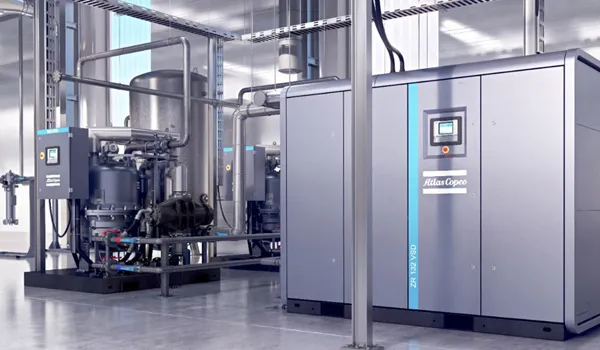
Explore Atlas Copco Air Compressor System
Compressed air systems include compressors, dryers, filters, receivers, and piping to produce clean, stable air efficiently.
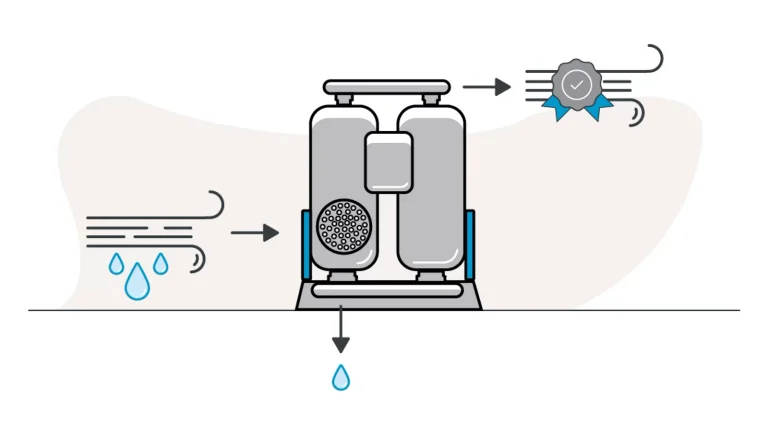
A desiccant air dryer delivers ultra‑dry compressed air, stopping moisture‑driven corrosion, downtime and product defects. Learn how it works, warning signs, selection and maintenance best practices for industrial facilities.
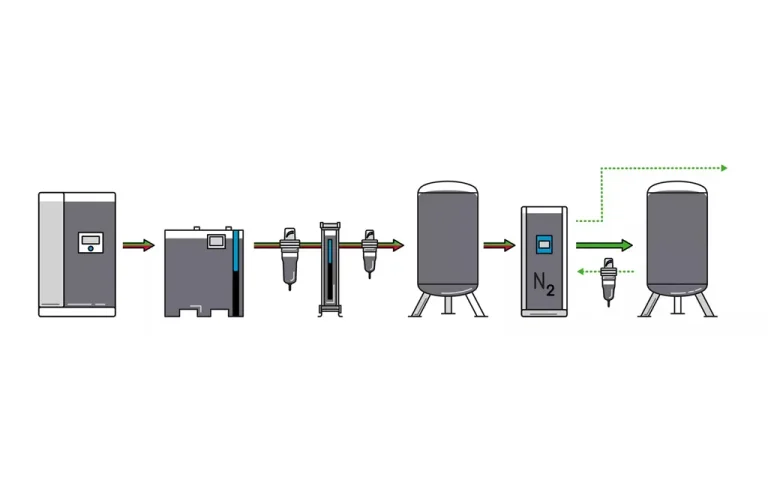
A nitrogen generator is industrial equipment that separates nitrogen molecules from compressed atmospheric air. It filters out oxygen, carbon dioxide, water vapour and trace contaminants to deliver a steady stream of purified nitrogen gas ready for manufacturing use.

This guide walks you through 7 steps & 4 criteria to size an air compressor, explains what each metric really means, and helps you avoid the classic mistakes that plague so many facilities.
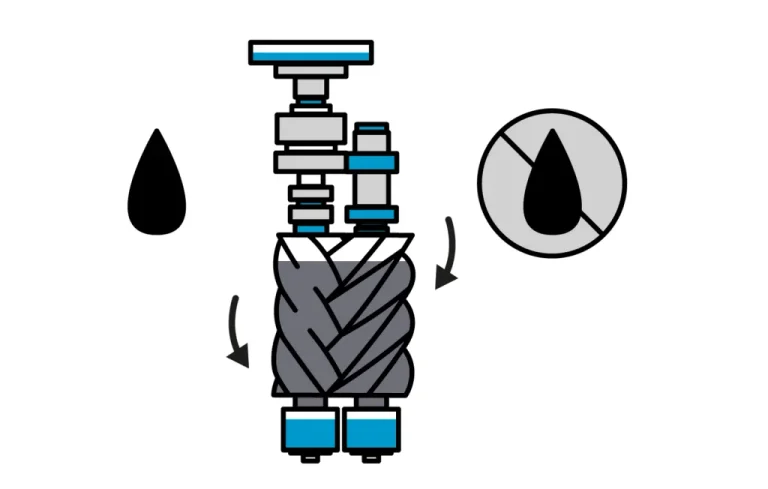
For most buyers, the single most important decision is whether to invest in an oil-injected air compressor or an oil-free air compressor.

Do you know what is oil-free air compressor? How do oil-free air compressors work? The answers are in this essential guide.
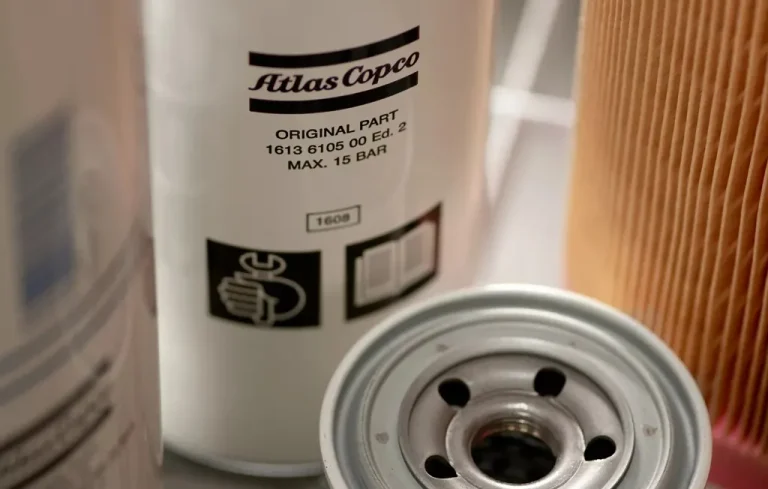
Protect your investment, use genuine Atlas Copco filters to minimize your cost of ownership.

This article explores what compressed air is, how it is created, why it is so useful, and how entire systems are built around it to deliver reliable performance.

This article restructures and expands on the life cycle cost (LCC) of air compressor, providing a deeper and more practical understanding of how to control and reduce long-term expenses.
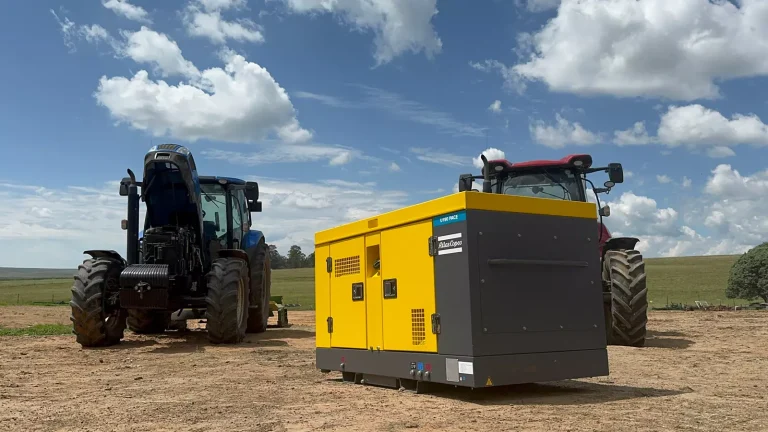
In South Africa, crop farmers are effectively using Atlas Copco’s rugged, compact and versatile Atlas Copco portable U190 PACE air compressors for the maintenance of their agricultural equipment.

This guide explains how to systematically identify and implement cost-saving opportunities in compressed air systems, combining technical insight with practical actions.